
Grow a Forest in Hawaiʻi.
Give back to the islands. Sponsor native Hawaiian trees. Fund the seed collection, the nursery, the planting, and years of care — before your trip, after your trip, or just because.
$25/tree · Native forest restoration
Sponsor your first tree.
Choose a one-time gift or an ongoing subscription. Either way, your support funds the full journey from seed to canopy. All sponsors can save 15% on the weekly Kohala Zipline giveback experience at ʻIole.
- Native trees grown, planted and cared for
- Funds the full lifecycle: seed, nursery, planting, years of care
- Planted at ʻIole in North Kohala, Hawaiʻi Island
- Receive updates and photos of the forest you helped plant
 Native trees grown, planted and cared for
  Funds the full lifecycle: seed, nursery, planting, years of care
 Planted at ʻIole in North Kohala, Hawaiʻi Island
 Receive updates and photos of the forest you helped plant
Nurture native ecosystems
The most endangered place you will love.
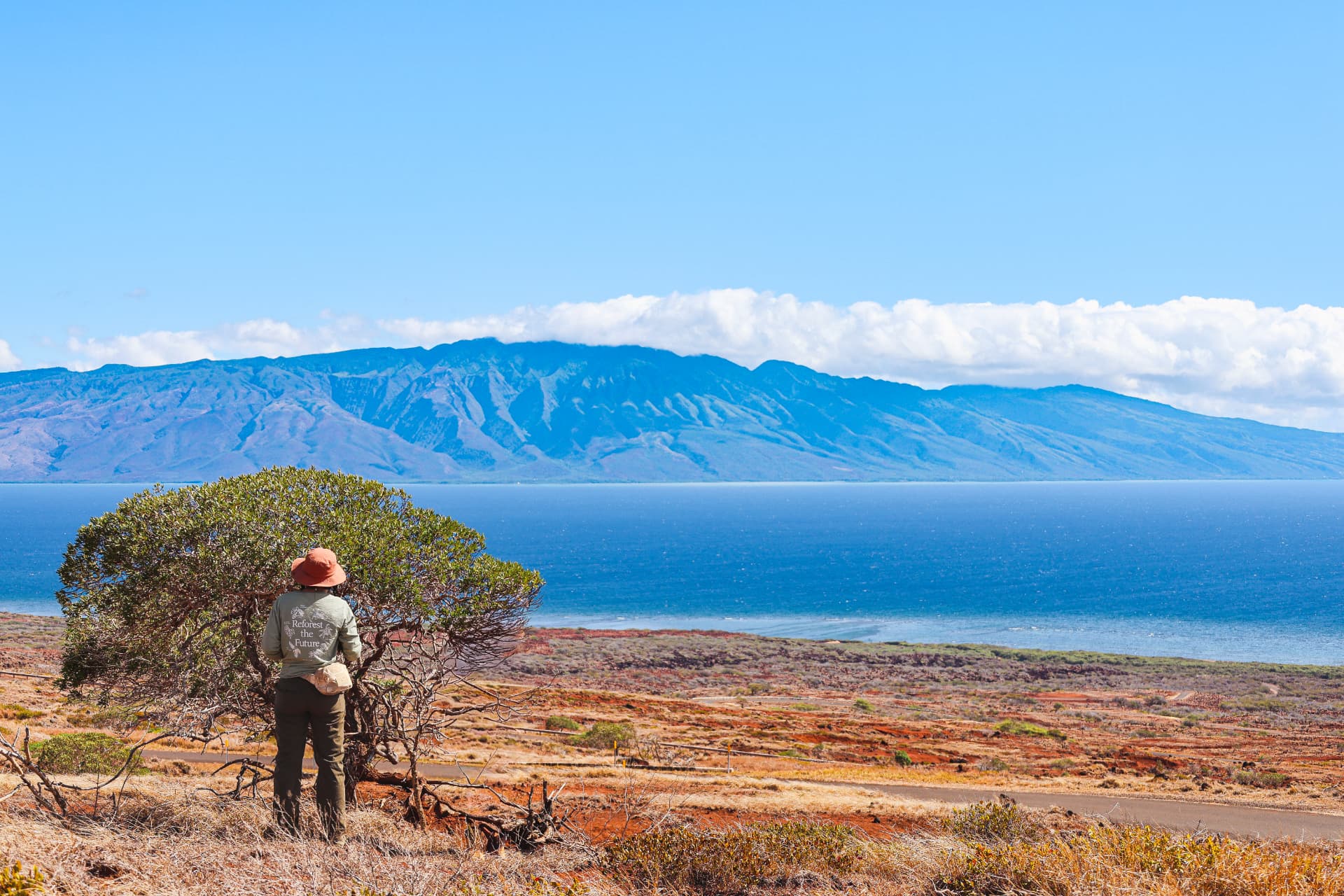
Most of Hawaiʻi's dry and lowland forests are already gone. What's left catches the clouds that fill the aquifers, holds the soil off the reefs, and shelters birds found nowhere else on Earth.
Water
Native forest recharges the islands’ drinking water
Reefs
Rooted hillsides keep runoff off the coral
Habitat
Honeycreepers survive only in native canopy
90%+
of native plants found only in Hawaiʻi
~50%
of native forest cover already lost
100%
of trees planted are native species
Travel that gives back
Before your trip. After your trip. Make it better.
Ten million visitors arrive each year, and every trip leaves a carbon footprint. Sponsor trees before you fly and arrive knowing trees are already growing or start it on the plane home, while the islands are still in your head.
Mālama ʻāina — care for the land, and the land cares for you.
Sponsor treesWhat it takes
It starts with a seed.
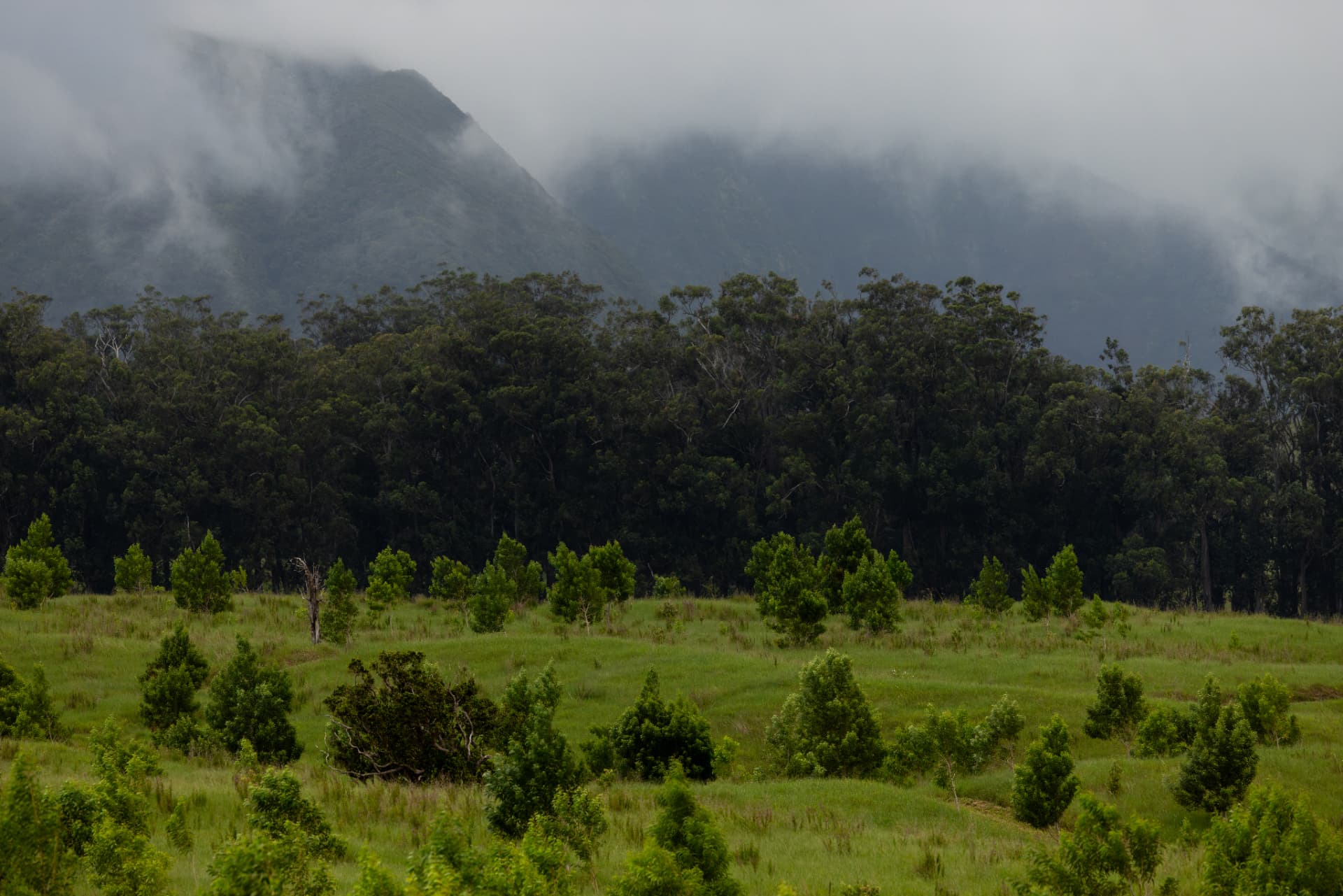
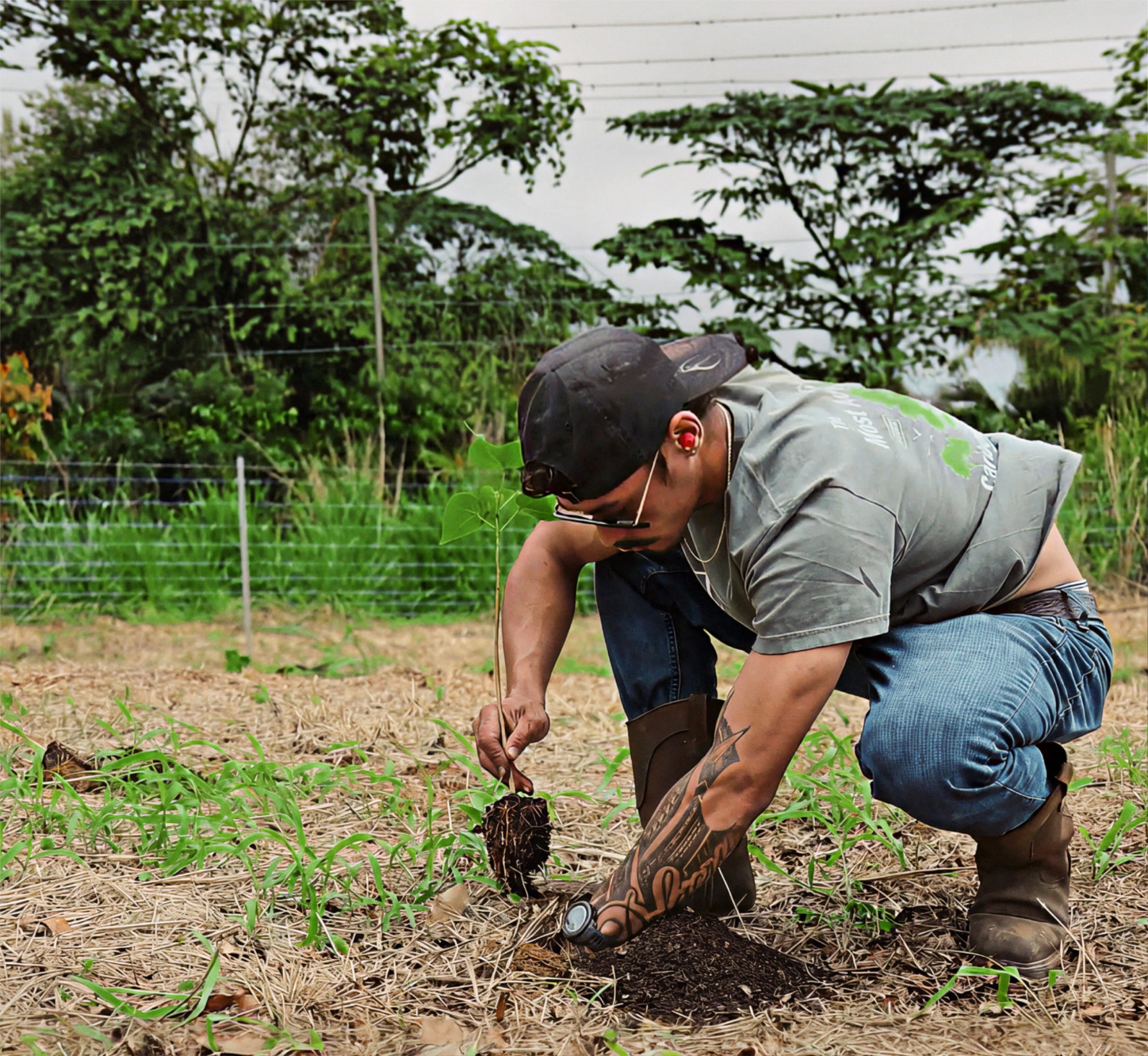
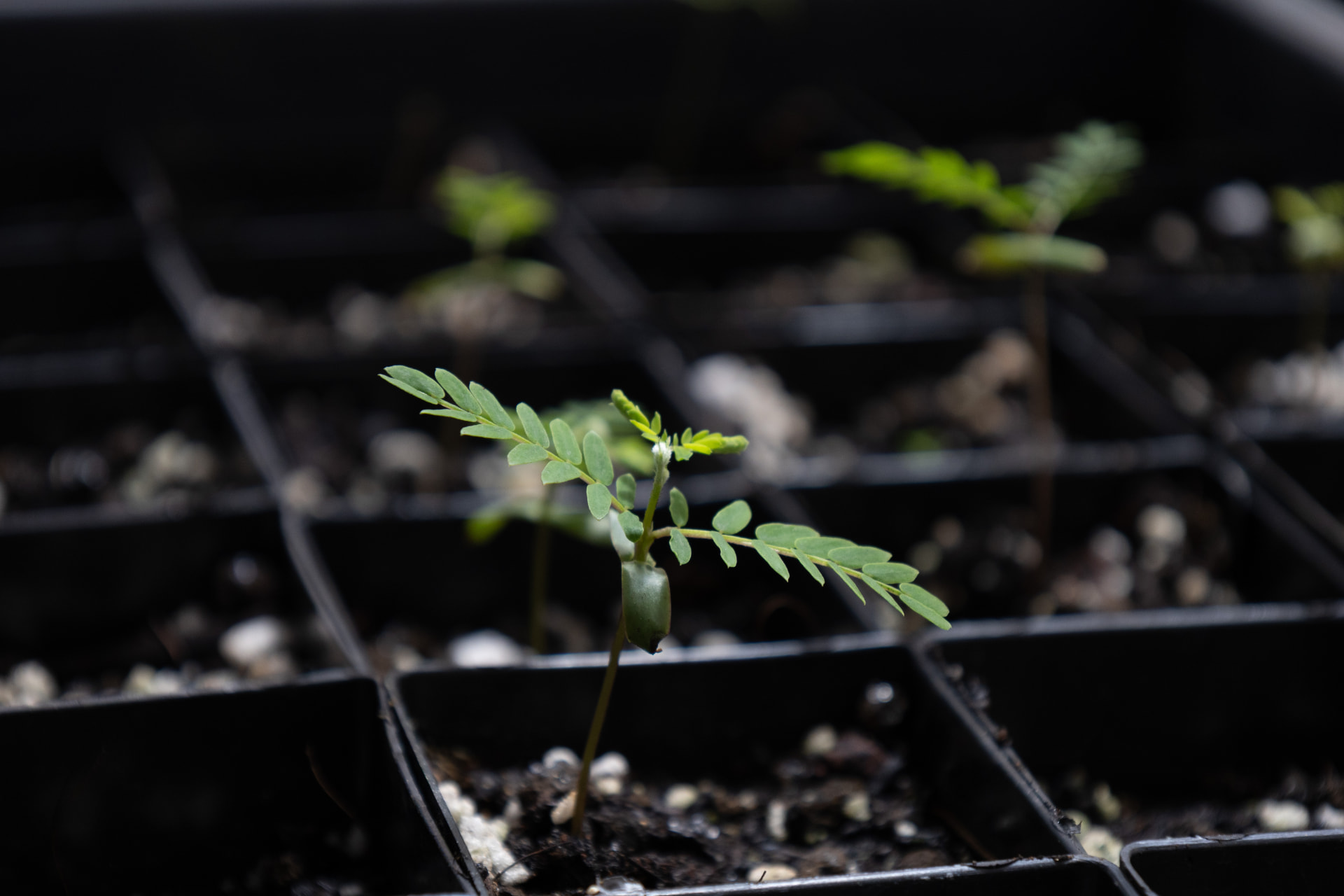
Every sponsorship funds the full journey: seed collection, nursery care, careful planting, and years of tending, so each tree has a real chance at becoming part of the canopy.
Seed
Genetically diverse seed collected from surviving native stands.
Nursery
Grown under shade cloth until strong enough for a first dry season.
Planting
Sites cleared of invasive grass and fenced against grazing animals.
Care
Watering, weeding, and monitoring for years, when most loss happens.
What you are planting
Native species only.
Some species options include the list below. Our team selects the right mix for each site, because a healthy blend of native species is better for the forest in the long run.
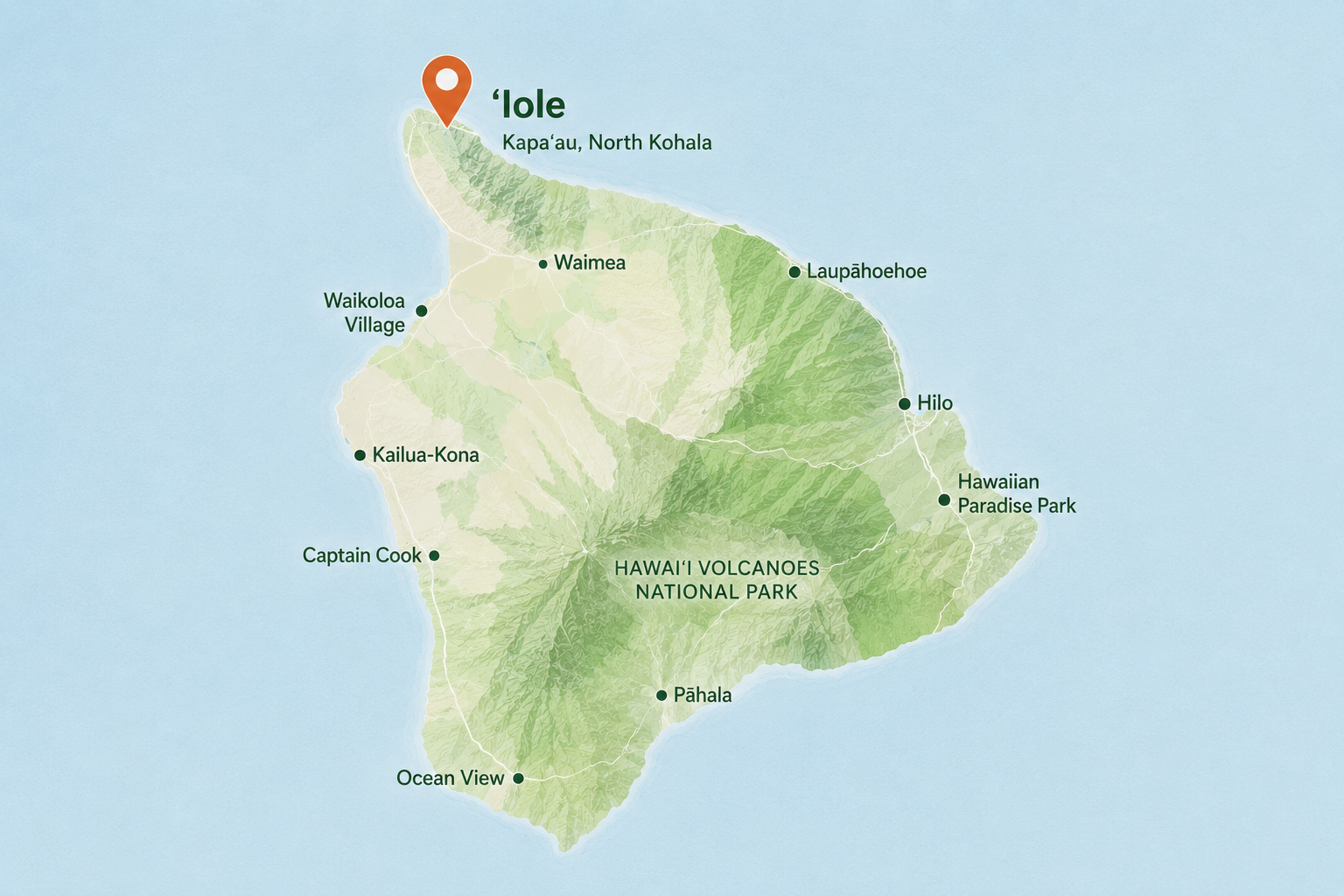
Where your trees are planted
ʻIole, North Kohala, Hawaiʻi Island
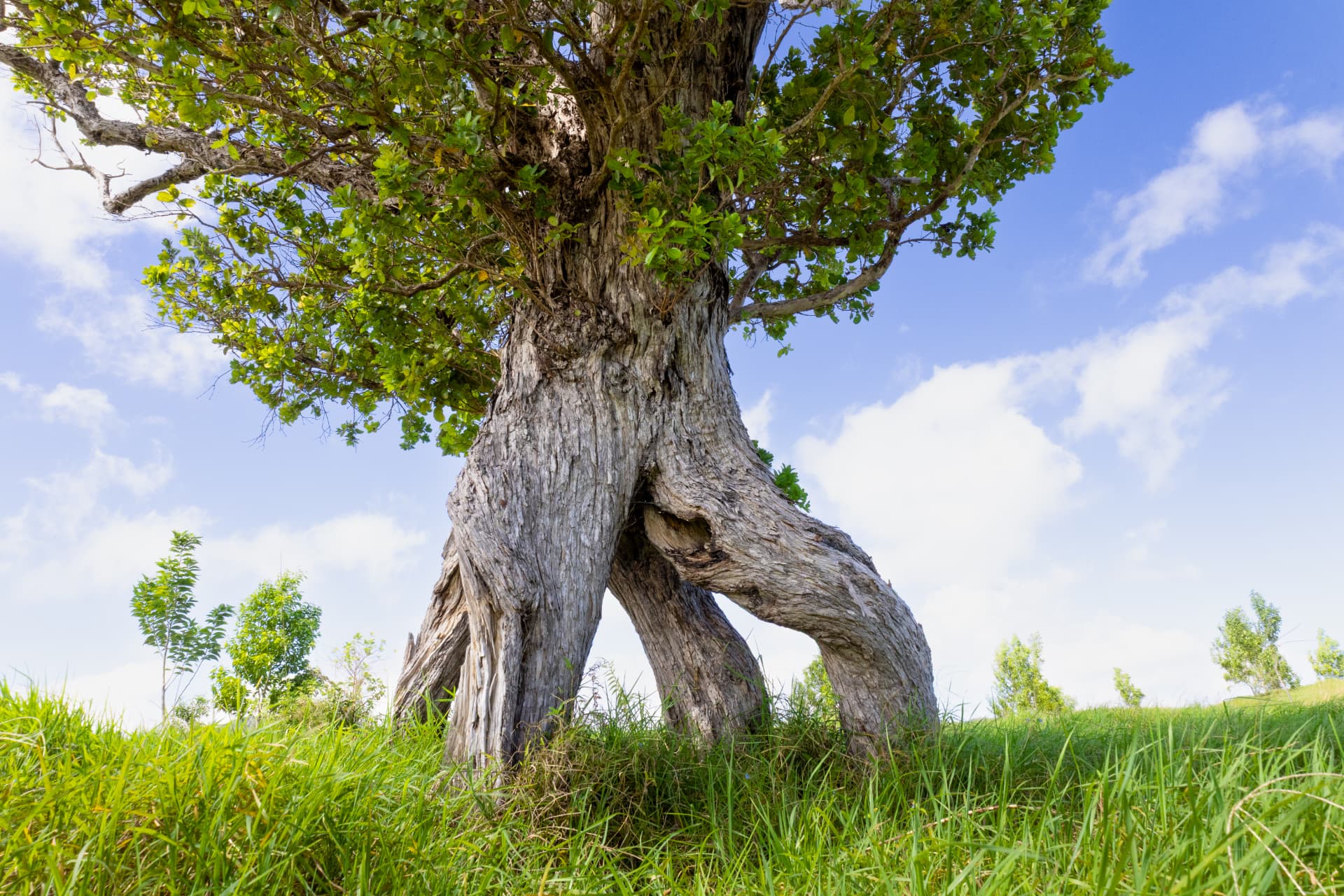
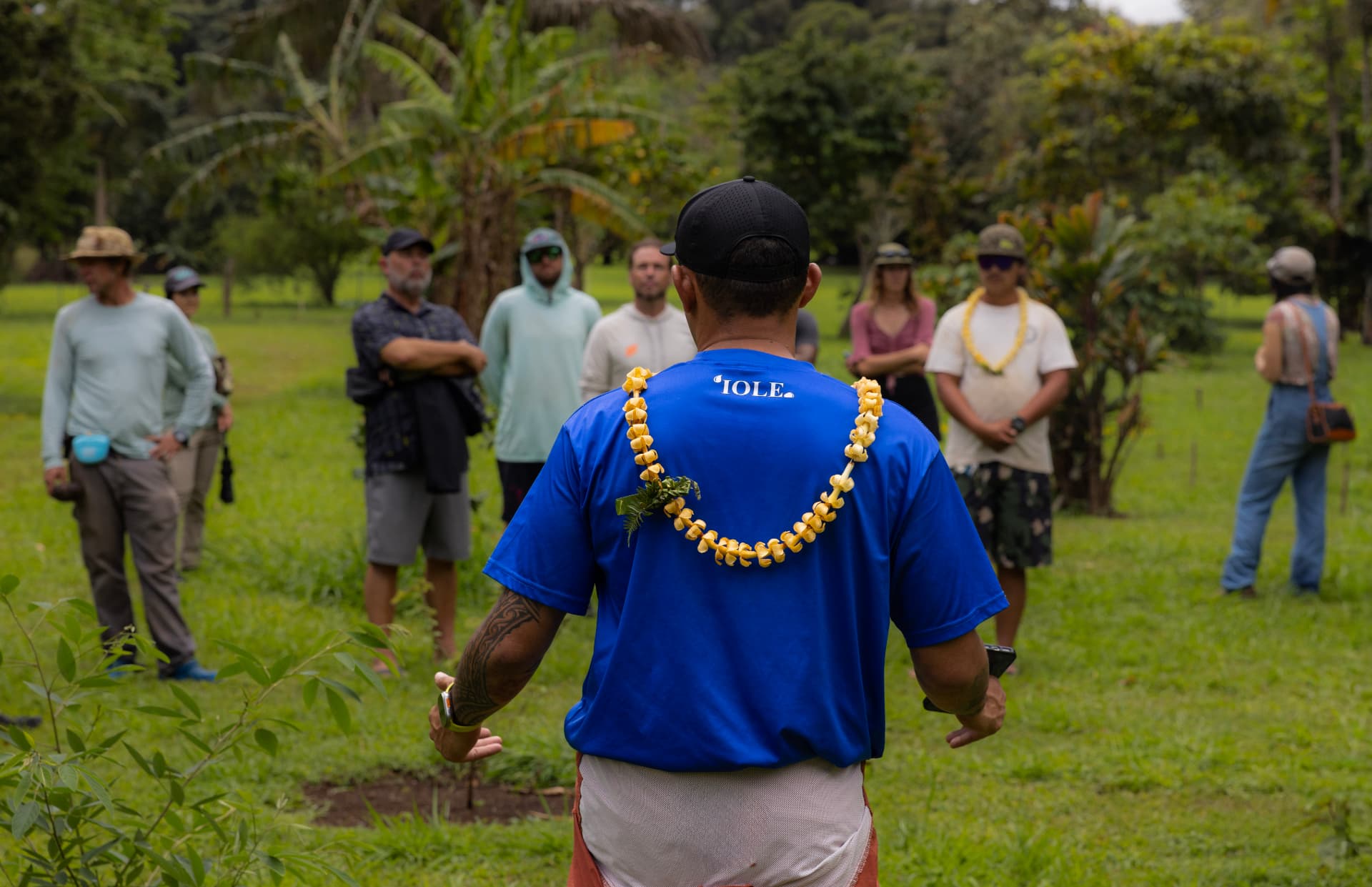
Your trees go into the ground at ʻIole, a nonprofit research center on the northern tip of Hawaiʻi Island. The same hillside teaches ʻāina-based science to Kohala students.
Sponsor perk
Zip through your forest.
Every Wednesday, Kohala Zipline runs a giveback tour at ʻIole. Zip a canopy course of waterfalls, suspension bridges, and Hawaiʻi's only spiral tree staircase, then plant native trees on the same hillside your support funds.
Tree sponsors get 15% off the giveback experience. Can't make a Wednesday? The discount applies to their other tours too.
Sponsor trees & get 15% offAlready sponsored? Book the tour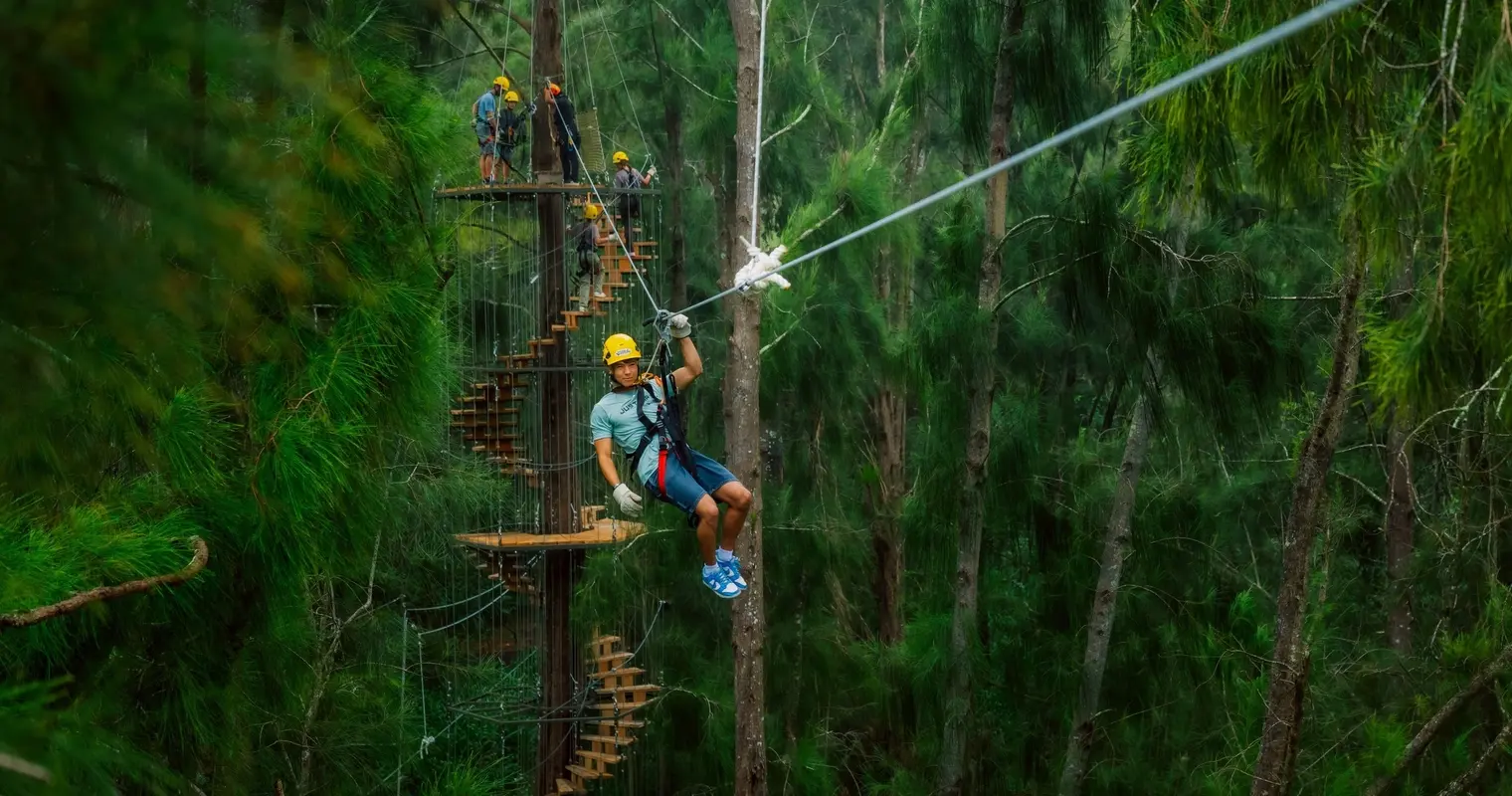
Get the information you need
Frequently asked questions
Why does one tree cost $25? Isn’t it usually $1?
Dollar-a-tree programs skip the hard parts: site prep, species selection, fencing, and years of care. $25 covers a tree’s full lifecycle, so it is still standing decades from now.
Do I have to be traveling to Hawaiʻi to participate?
No. Many subscribers have never visited. But if you are going, or just got back, this is the most direct way to balance the trip.
Will I get photos of my trees?
Yes. After planting. Germination comes first, then the next planting season. We wait until trees are established before sending images.
Which species will my tree be?
Koa, ʻōhiʻa lehua, kamani, milo, kou, kukui, among others. The mix follows what the hillside needs: a biodiverse forest survives where a monoculture does not.
Can I give once, or change my plan later?
Both. Give once or start a monthly plan, and switch or cancel anytime from the billing portal link in your receipt email. If you choose to subscribe, there is no cancellation fee. Trees already funded stay funded.